
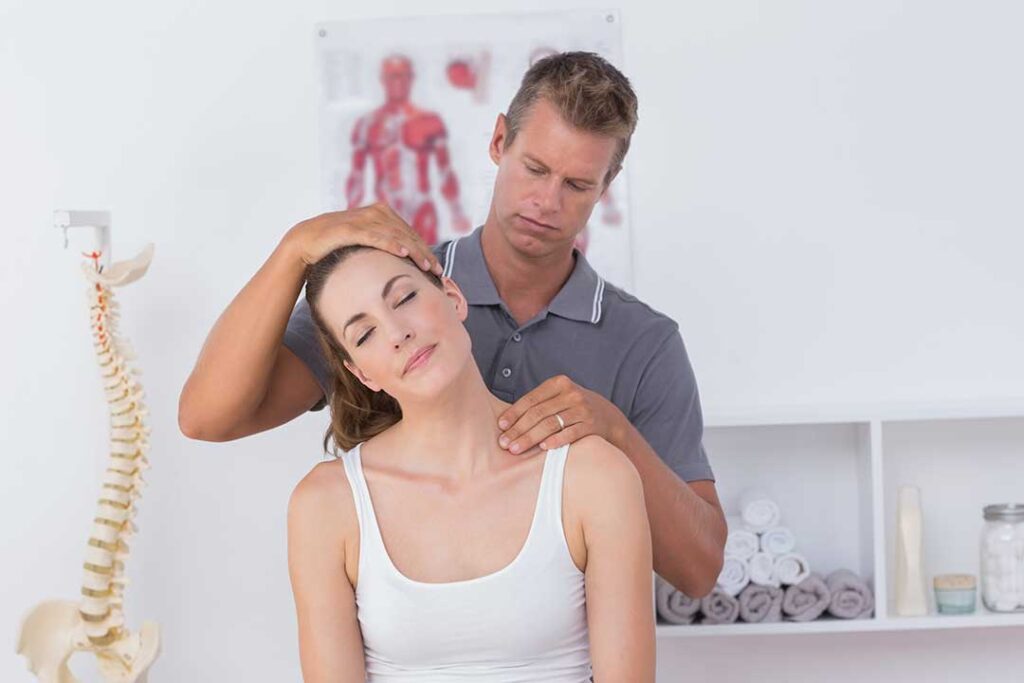
If you or a loved one in Plattsburgh, NY, has ever struggled with dizziness, unsteadiness, or problems staying upright, you’re not alone. With our bustling local activities—from walking downtown near Lake Champlain to hiking in the Adirondacks—good balance is essential for enjoying everything North Country living has to offer. But did you know there’s a strong connection between your spine’s alignment and your ability to maintain balance?
In this article, we’ll explore why balance problems often stem from spinal issues, and provide information on how chiropractic care can help residents of Plattsburgh regain stability and confidence in their daily activities.
What Causes Balance Problems?
Balance is an intricate process involving your eyes, inner ear (vestibular system), muscles, joints, and, importantly, your central nervous system. The brain receives constant signals about your body’s position and movement, allowing you to adjust as needed to stay upright. If any link in this system falters, you can experience symptoms such as:
- Dizziness or vertigo
- Unsteady gait or frequent tripping
- Difficulty walking in the dark or on uneven ground
- Sudden falls
While balance issues sometimes have inner ear or neurological causes, misalignments in the spine—especially the neck—are often overlooked contributors.
How Spinal Alignment Affects Balance
Your spine is more than just a column of bones. It protects the spinal cord, your body’s information highway, which delivers messages between the brain and every muscle and joint. Tiny misalignments, known as vertebral subluxations, can disrupt this communication.
Here’s how spinal alignment impacts balance:
- Neck (Cervical Spine) Issues: Misalignments here can compress nerves that help coordinate head and body movement. This can lead to sensations of dizziness or spinning (cervicogenic vertigo), a common issue for people who’ve experienced whiplash or long hours working at a desk—something not uncommon in Plattsburgh’s work and academic communities.
- Loss of Proprioception: The joints in your spine contain receptors that tell your brain where your body is in space (proprioception). When spinal segments are not properly aligned, their receptors may send faulty information, making it harder to sense changes in position and react accordingly. This is especially relevant for older adults in the North Country, who may already have slower reaction times and want to avoid falls during Plattsburgh’s icy winters.
- Muscle Imbalances: Poor spinal alignment can lead to muscle compensations. For example, if the pelvis is tilted, leg muscles may work unevenly, leading to a less stable walking gait.
The Plattsburgh Lifestyle and Balance Challenges
Living in Plattsburgh brings unique balance challenges—and opportunities. Residents regularly navigate snowy sidewalks, boat on Lake Champlain, or bike along the Saranac River Trail. Poor balance can greatly restrict participation in these activities and increase risk of injury.
Locals often seek adventurous hobbies—skiing at Titus Mountain, hiking Mount Marcy, or playing rec league sports on the weekends. All require reliable balance, making spinal health even more essential. Even if you only want to garden or walk your dog around Bluff Point, stable footing is a must.
How Chiropractic Care Can Help Balance Problems
Chiropractors specialize in assessing and correcting vertebral subluxations that can negatively affect your nervous system, muscles, and balance. Care typically includes:
- Postural and Spinal Assessments: Identifying areas where your spine isn’t moving or aligned correctly—often the root of balance disturbances.
- Gentle Adjustments: Restoring normal motion and alignment to relieve nerve interference and restore accurate signaling between brain and body.
- Rehabilitation Exercises: Targeting proprioception and core stabilization, these exercises help your body relearn balance and coordination.
- Lifestyle Advice: Education on ergonomics, desk setup (for Plattsburgh’s professionals and students), injury prevention, footwear, and activities that can either help or hinder your stability.
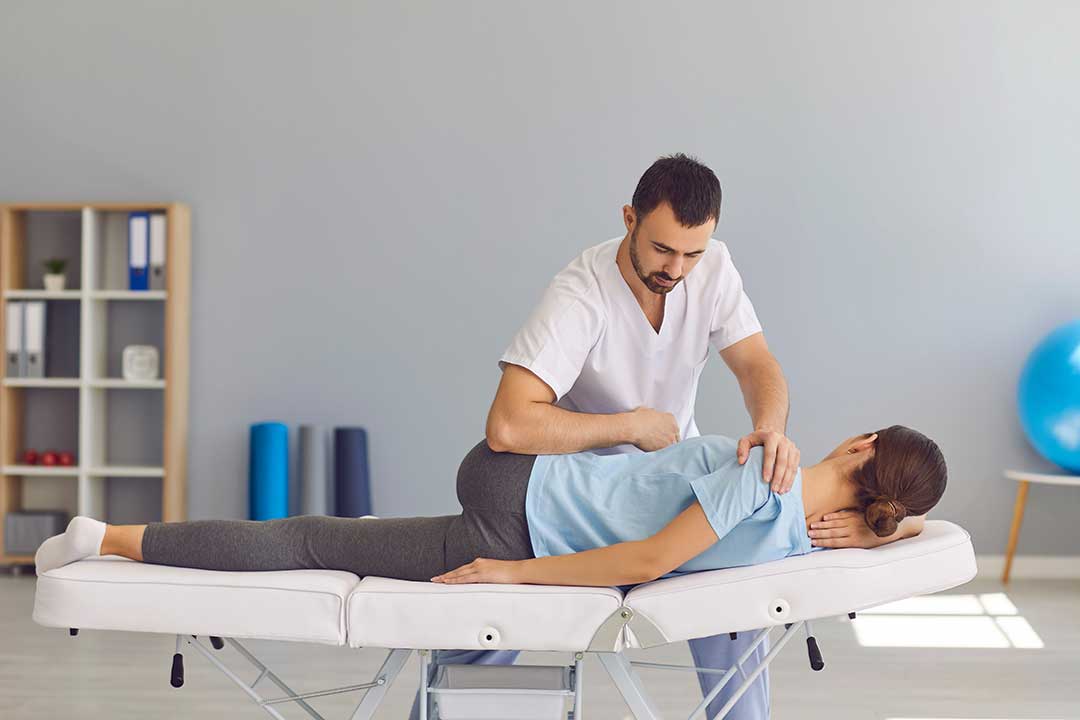
Numerous research studies support chiropractic care’s ability to improve balance, particularly in older adults or those recovering from injury. For instance, case reports describe significant improvement in balance and reduction in falls following targeted spinal adjustments.
Practical Tips for Plattsburgh Residents to Support Balance at Home
Whether you’re seeing a chiropractor or just wanting to take steps on your own, the following tips support better balance:
- Stay Active: Regular walking, gentle yoga, or Tai Chi can maintain flexibility and core control.
- Check Your Shoes: Supportive, non-slip footwear is important year-round, but especially during Plattsburgh’s icy seasons.
- Home Safety: Make sure home pathways are clear of tripping hazards, especially if you’re older or at risk of falling.
- Strengthen Your Core: Basic exercises like standing on one leg or using a balance board can enhance stability (always do these where you have support nearby).
When Should You Seek Professional Help?
If you are experiencing persistent dizziness, unexplained falls, or ongoing difficulty with balance—especially following a recent injury or car accident—it’s wise to seek professional assessment. A chiropractor can work with your primary care provider and other specialists to rule out more serious diagnoses and help restore your full potential for life in Plattsburgh.
Conclusion
Balance isn’t something we think about until we lose it; but as a Plattsburgh resident, you deserve to enjoy local life without fear of falling. If you notice changes in your steadiness, don’t overlook the role your spine plays. Spinal alignment, nerve function, and muscle symmetry are vital for good balance, and chiropractic care offers a non-invasive approach to help you return to the activities you love in our beautiful North Country community.
