
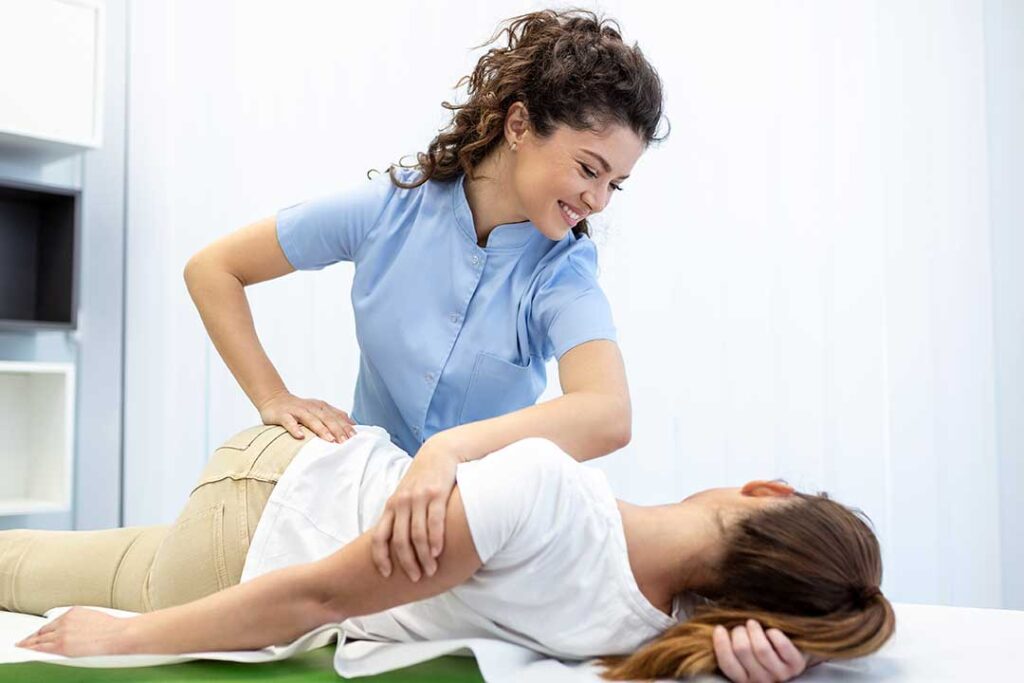
What Is Scoliosis and Who Is Affected?
Scoliosis is a condition where the spine curves sideways, often developing before or during puberty but sometimes noticed in adulthood. Many households in Plattsburgh, NY may know a family member or student at the local school who has faced screening or diagnosis for scoliosis, as awareness has grown thanks to routine school exams and pediatric checkups.
Most cases are mild, with more pronounced curves less common. Scoliosis can be caused by genetics, uneven growth, injury, or sometimes with no clear cause at all (idiopathic).
How Is Scoliosis Usually Detected and Monitored?
In the city, young people are often screened during routine physicals. Early detection typically involves a visual exam of the back while standing and bending, followed by X-rays if any curve is suspected.
From there, providers usually:
- Measure the angle of the spinal curve
- Schedule regular follow-ups if needed
- Watch for changes during seasonal growth spurts, especially common with area students
Monitoring helps determine whether the curve is stable, progressing slowly, or requires further action. Most local cases of scoliosis remain mild and need only observation.
What Symptoms and Everyday Challenges Might Local Residents Notice?
A mild curve may cause little to no pain or visible changes, which is why it might be missed without screening. When symptoms do appear, they can include:
- Uneven shoulders, hips, or waistlines visible through winter clothing
- Back discomfort, especially after long periods of sitting at school desks or local workplaces
- Muscle fatigue from compensating for the curve, particularly after carrying backpacks or grocery bags
While severe cases are rare, they can cause more significant discomfort, postural changes, or breathing difficulties. Most local individuals with scoliosis lead fully active lives, often simply needing age-appropriate adjustments in posture and routines.
Can Chiropractic Care Help Manage Scoliosis?
Chiropractic care does not cure or reverse the structural curve of scoliosis. Instead, its potential benefit is in helping some people manage symptoms and maintain comfort in daily life. For residents in Plattsburgh dealing with aches, stiffness, or limited flexibility due to scoliosis, chiropractic approaches may provide relief.
Chiropractors often focus on:
- Improving joint function
- Easing muscle tightness
- Advising on movement habits that reduce strain
- Monitoring for changes that may require referral to other specialists
It’s common for local chiropractic care to be integrated with recommendations from primary care providers or physical therapists. Individual results can vary, and not everyone will experience significant changes, but some local patients report reduced discomfort or easier movement with consistent management.
What Does Chiropractic Management Usually Involve?
Any chiropractic support for scoliosis is based on the specific needs and symptoms of the person. Typical elements might include:
- Gentle, targeted spinal adjustments
- Soft tissue therapies aimed at relieving muscle tightness
- Education on stretching and strengthening exercises safe for home or during Plattsburgh’s winter months indoors
- Tips on safe carrying of local household items or schoolbags
It is important for chiropractors to be aware of the structural limits scoliosis can impose. Aggressive or repeated adjustments aiming to "straighten" the curve are not supported by evidence and should be avoided.
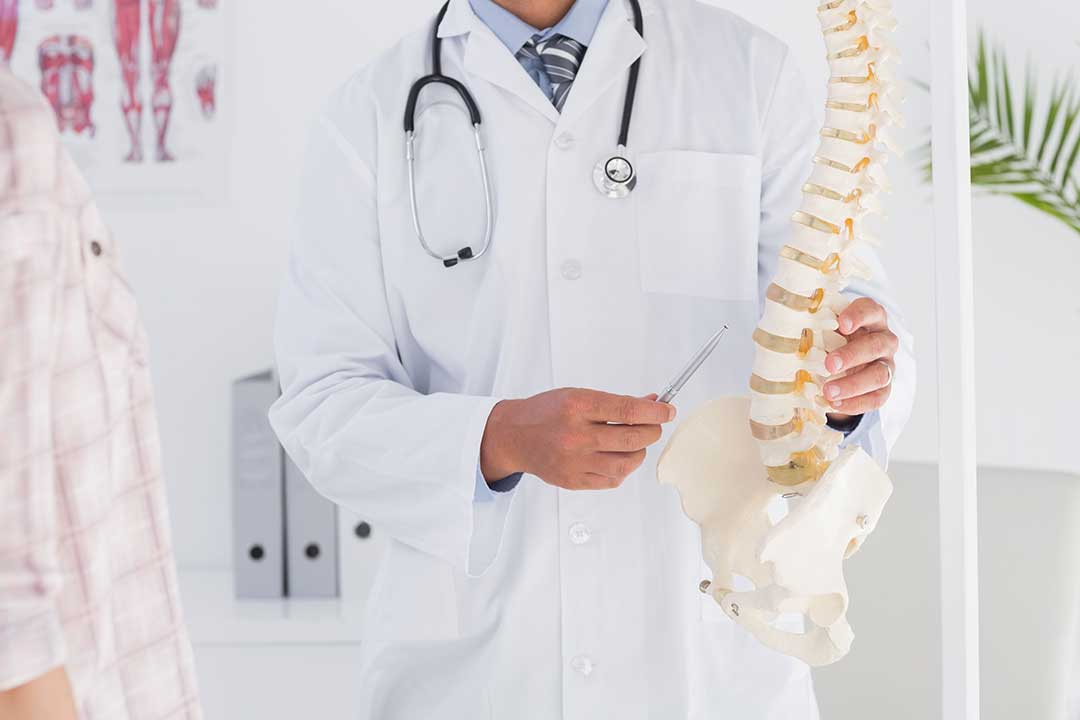
What Are Some Limitations and Misconceptions Around Scoliosis and Chiropractic?
A frequent misconception in the community is that routine adjustments can "fix" scoliosis or fully prevent its progression. In reality:
- No manual therapy or exercise changes the bone structure of a curved spine
- The main benefit is potential symptom relief, not correction of the underlying curve
- Severe cases, or those still growing with worsening curves, may need monitoring using medical imaging and, rarely, medical interventions
It is not unusual for area families to combine several forms of support—posture-friendly furniture, swimming at local pools, and periodic chiropractic visits—to help manage stiffness or pain. This variety of options empowers individuals to find what works best for their comfort.
When Should Residents Seek Additional Evaluation?
If someone in Plattsburgh notices:
- Rapid changes in posture or an obvious worsening spinal curve
- Persistent pain not eased by routine care or lifestyle changes
- Any numbness, tingling, or leg weakness
It’s wise to seek further evaluation through a primary care provider. Sometimes, advanced imaging or referral to an orthopedic specialist may be necessary. Severe, progressive cases are rare but do require more comprehensive tracking.
What Practical Steps Can Local Residents Take?
For those in the city living with mild scoliosis, daily routines matter. Steps that often make daily life easier include:
- Using ergonomic seating, especially during long winters spent indoors
- Carrying bags evenly, not always on one shoulder
- Staying active in ways that are comfortable, such as walking, swimming, or gentle stretching
- Keeping up-to-date with scheduled monitoring if the curve was ever diagnosed
Empowering information and body awareness often help residents feel more confident managing scoliosis, whatever range of care or activity feels best for them.
