
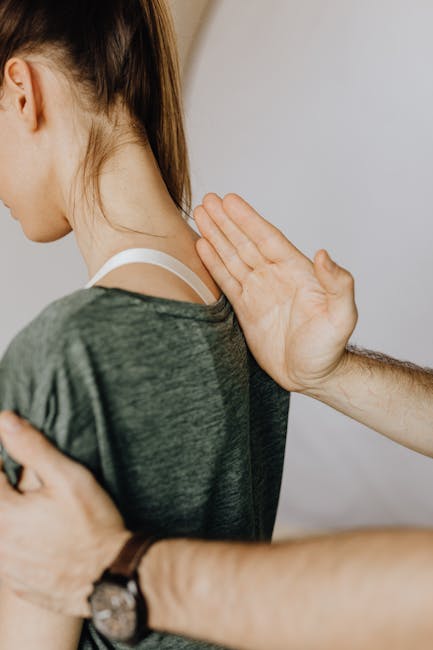
Back pain is a common issue for many people, especially those living active lives in places like Plattsburgh, New York. Whether you enjoy hiking in the Adirondacks, working on your home garden, or participating in watersports on Lake Champlain, a minor back strain can quickly interrupt your daily routine. Fortunately, there are a variety of simple home remedies that can help you recover more quickly and return to the activities you love.
Understanding Minor Back Strains
A back strain usually happens when muscles or tendons in the lower or middle back are overstretched or torn, often due to lifting heavy objects, overexertion, or sudden awkward movements. Residents in Plattsburgh might find themselves prone to these injuries after home improvement projects, shoveling snow in winter, or carrying sporting equipment. Mild strains cause pain, stiffness, and sometimes muscle spasms, but typically can be managed at home with proper care.
Quick Steps to Take After a Minor Back Strain
If you feel a sharp twinge or ache in your back following activity, it’s essential to act quickly:
- Stop the Activity: Cease whatever you were doing to prevent further injury.
- Rest Responsibly: Avoid strenuous activities, but don’t go completely immobile—gentle movement can help promote healing.
The RICE Protocol
The tried-and-true RICE protocol is often used for muscle strains and can be applied for minor back injuries:
- Rest: Limit heavy lifting and avoid aggravating movements.
- Ice: Apply a cold pack or a bag of frozen peas (wrapped in a towel) to the sore area for 15-20 minutes every 2-3 hours for the first 48 hours.
- Compression: While compression is less applicable to the back than to an ankle or wrist, gentle support from a lumbar cushion can ease pain.
- Elevation: This is less relevant for back strains, but lying down with a pillow under your knees can alleviate pressure on the spine.
Heat Therapy for Sore Muscles
After the first 48 hours of icing, consider using heat to help relax tense muscles and increase blood flow. In cooler Plattsburgh months, a warm heating pad or hot water bottle can provide relief. Take care not to apply heat directly to the skin or use excessively high temperatures.
Gentle Stretches and Mobility Exercises
Engaging in gentle stretches can help maintain flexibility and prevent stiffness. Try these safe moves:
- Knee-to-chest stretches: Lying on your back, pull one knee gently to your chest and hold for 10 seconds, then switch sides.
- Pelvic tilts: Lie on your back with knees bent, gently push your lower back into the floor and hold for a few seconds.
- Cat-cow stretch: On hands and knees, alternate arching your back toward the ceiling and then dipping it down.
These exercises are ideal for residents who might be feeling cooped up indoors during a typical North Country winter.
Over-the-Counter Remedies
Pain relievers such as acetaminophen or ibuprofen can help reduce discomfort and swelling. Always follow the label’s advice, and consult your doctor if you have questions or underlying health conditions.
Local Lifestyle Considerations
Plattsburgh residents are no strangers to changing seasons. In winter, snow shoveling is a common activity that can cause back strains. Always use your legs rather than your back when lifting, and take frequent breaks. In the summer, activities like kayaking or landscaping can also put a strain on back muscles; using proper body mechanics and warming up first reduces your risk.
Take advantage of the scenic parks and lakeside trails for low-impact walking, which aids recovery by increasing circulation without over-stressing injured muscles.
Preventing Future Back Strains
Preventative care is essential, especially for Plattsburgh locals who lead busy, active lives. Consider these tips:
- Warm Up Before Activities: Stretch and move gently before heading outdoors or starting yard chores.
- Strengthen Your Core: Strong abdominal and back muscles provide better support for your spine.
- Lift Smart: Always bend at your knees, not your waist.
- Use Ergonomic Supports: Take breaks from long periods of sitting, especially if you work from home.
- Stay Active Year-Round: Even in the colder months, find ways to keep moving—indoor activities or community classes can be beneficial.
When to Seek Professional Help
While most minor back strains will improve with home care, be alert for signs that you need medical attention. Contact a healthcare provider if you experience:
- Severe pain that doesn’t improve after a few days
- Numbness or tingling in your legs
- Loss of bladder or bowel control
- Weakness in your legs
These symptoms may indicate a more serious injury that needs prompt professional attention.
Conclusion
Minor back strains are an occasional but manageable part of an active lifestyle in Plattsburgh, NY. By using these home remedies, staying aware of your body’s signals, and making healthy choices, you can speed up your recovery and reduce your risk of future injuries. If you ever have doubts about your recovery process, reaching out to a local healthcare provider or chiropractor can provide guidance and peace of mind.
