
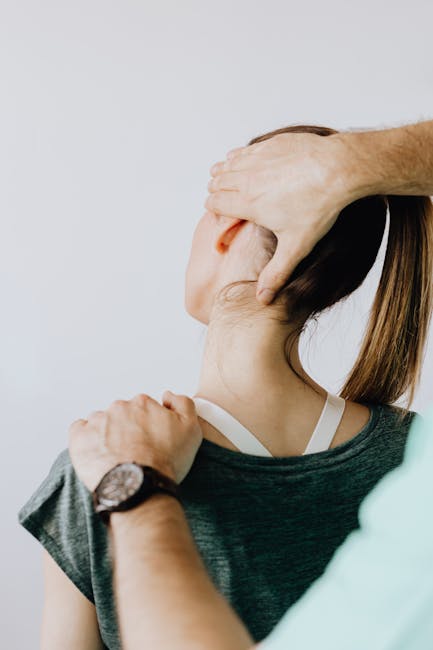
Living in Plattsburgh, New York, many local residents cherish the outdoor activities that are nestled between Lake Champlain and the Adirondack Mountains. Whether you’re kayaking on the lake, hiking up Poke-O-Moonshine, tending your backyard garden, or commuting along Route 3, life here is active and filled with movement. With such a busy lifestyle, it’s common for people to experience muscle pain and, more specifically, to wonder about those stubborn "muscle knots"—also known as trigger points. Understanding what they are, why they occur, and how best to address them is crucial for staying comfortable and mobile throughout the North Country seasons.
What Are Trigger Points?
Trigger points are small, hyperirritable nodules found within taut bands of skeletal muscle fibers. They often feel like tiny knots under the skin and are tender to the touch. When pressed, trigger points can refer pain to other areas of the body—a phenomenon known as referred pain. For example, a trigger point in your upper back might cause discomfort in your neck or even create tension headaches.
These knots are not just a minor nuisance. They can contribute to:
- Chronic muscle pain and stiffness
- Limited range of motion in joints
- Poor posture, especially after long periods at a desk or during repetitive tasks
Why Are Trigger Points Common in Plattsburgh’s Community?
The local Plattsburgh lifestyle is a blend of hard work and recreation. Many residents have jobs or hobbies that require repetitive motion, whether it’s factory work, long drives for work or school, shoveling snow in winter, or consistent outdoor chores. Even local high school and SUNY Plattsburgh athletes are at risk due to intense training and sports activities.
Here are some factors contributing to trigger points in this region:
- Cold Weather: Plattsburgh’s long and chilly winters lead muscles to contract more often to conserve warmth, predisposing muscles to tightness and the formation of knots.
- Active Lifestyles: Common outdoor activities such as cycling on Cumberland Head or running along the Saranac River Trail can stress muscles that aren’t properly conditioned or stretched.
- Prolonged Sitting: Office work, long commutes, and study hours can cause postural strain leading to trigger points, especially in the neck, shoulders, and lower back.
Symptoms: How Do I Know if I Have Trigger Points?
Many people in Plattsburgh ignore muscle pain until it becomes disruptive. Recognizing the signs early helps prevent more chronic issues. Consider these symptoms:
- Persistent aching or burning pain in a localized muscle
- Pain that seems to travel to another area of the body (referred pain)
- Stiffness or reduced movement in the affected area
- Muscle weakness without obvious cause
- Local sensitivity to pressure, especially in common trigger point locations like the shoulders, upper back, and hips
If you notice that rest, light stretching, or self-care don’t resolve the tension and pain, you may be dealing with active or latent trigger points.
What Causes Trigger Points?
The formation of trigger points can be traced to several common factors for locals:
- Acute muscle overload (such as heavy lifting or shoveling)
- Poor posture, particularly at desks or during screen time
- Emotional stress, which can increase muscle tension
- Lack of movement or stretching routines
- Minor muscle injuries from sports or slips (especially during icy winters)
Sometimes, nutritional deficiencies and dehydration, which can occur during hot Plattsburgh summers or dry winters, also play a role.
Effective Ways to Manage and Prevent Trigger Points
Fortunately, you don’t have to live with constant muscle pain. Here are some effective strategies, adapted for Plattsburgh’s pace and way of life:
Self-care Techniques
- Stretching and Movement: Gentle, regular stretching tailored to your activity level reduces muscle tightness. Consider adding a short stretching routine before and after local hikes or outdoor chores.
- Hydration: Plattsburgh’s cold winters can make it easy to forget about staying hydrated. Drinking enough water helps keep your muscles healthy.
- Ergonomic Adjustments: If you have a desk job or spend time commuting, invest time in adjusting your posture and workspace to decrease muscle strain.
Professional Care
- Massage Therapy: Therapeutic massage, especially trigger point massage, can help release muscle knots and improve circulation.
- Chiropractic Care: Chiropractors are trained to assess and address muscular imbalances and can recommend targeted therapies for trigger points.
- Physical Therapy: For persistent pain, physical therapists can develop a personalized exercise and stretching program to address both symptoms and root causes.
At-Home Tools
- Foam Rollers and Massage Balls: These tools are easy to use at home and can be effective for self-massage over common complaint areas like the back, shoulders, and legs.
- Heat Therapy: Using heating pads can temporarily increase blood flow, relax muscle fibers, and relieve some discomfort.
Lifestyle Tips Specific to Plattsburgh
- Warm Up Before Snow Removal: Winter snow clearing is a frequent cause of acute trigger points around Plattsburgh. Take a few moments to gently warm up muscles before you grab the shovel.
- Dress in Layers: Keeping muscles warm and protected during fall and winter outdoor chores minimizes the chances of cold-induced muscle contractions.
- Take Breaks During Activities: Whether you’re at a school sporting event or on a weekend hike, pause regularly to stretch and move, preventing muscle fatigue that can contribute to trigger points.
When Should You Seek Help?
If your muscle pain is persistent, worsening, or interfering with your ability to enjoy Plattsburgh’s community, it’s important to consult with a healthcare professional. Early intervention prevents chronic pain and helps you return to your favorite activities—pain-free.
Conclusion
Trigger points are a common yet often overlooked cause of muscle pain, especially in active communities like Plattsburgh. By understanding what trigger points are and taking proactive steps in daily life, you can manage and prevent discomfort. Remember, keeping your muscles healthy means you can fully embrace all that living in the North Country offers—year-round.
