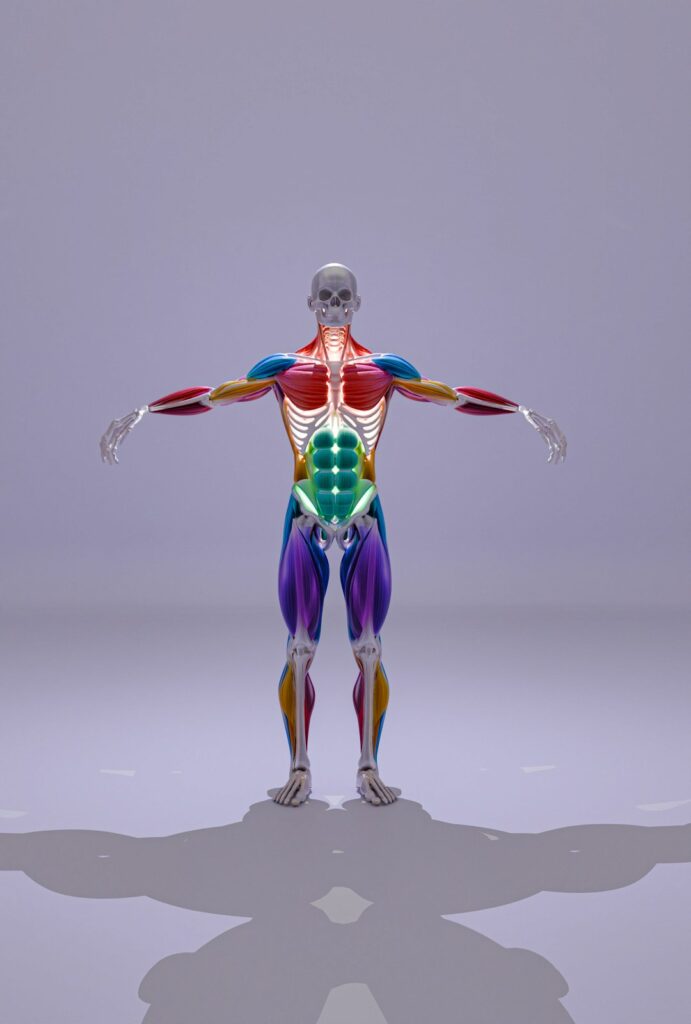
Referred pain can make a problem feel as though it is coming from a different part of the body than where it actually begins. A neck issue may be felt in the shoulder or arm, for example, while irritation in the lower back can produce discomfort in the buttock or leg.
For residents of Plattsburgh, NY, understanding this pattern can help explain why pain does not always match the location of an injury. It can also clarify what a chiropractic evaluation may—and may not—be able to address.
What is referred pain?
Referred pain is discomfort felt in an area that is separate from the tissue or structure causing the problem. It occurs because nerves from different regions can send signals through overlapping pathways in the spinal cord and brain.
The nervous system may have difficulty identifying the exact source of a signal. As a result, the brain interprets irritation from one region as pain somewhere nearby or even farther away.
Common examples include:
- Pain from the neck felt across the upper shoulder or between the shoulder blades
- Lower-back problems producing discomfort in the buttock
- Irritation of a spinal nerve causing symptoms that travel into the arm or leg
- Muscle trigger points creating aching in a nearby region
- Hip problems that feel like pain in the groin, thigh, or knee
Referred pain is different from pain caused by direct injury to the area where symptoms are noticed. A sore shoulder, for instance, may involve the shoulder joint itself, but it could also be influenced by the neck.
How is referred pain different from nerve pain?
Referred pain and nerve pain can overlap, but they are not identical.
Referred pain is often dull, aching, tight, or difficult to pinpoint. It may spread over a broader area and can change with movement, posture, or pressure on the tissues involved.
Nerve-related pain is more likely to feel sharp, burning, electric, or like pins and needles. It may follow a recognizable path down an arm or leg and can be accompanied by numbness, weakness, or changes in reflexes.
The distinction is not always obvious at home. A careful history and physical examination can help determine whether symptoms are more consistent with muscle or joint pain, nerve irritation, referred pain, or a condition outside the musculoskeletal system.
Why can a back problem cause leg pain?
A problem in the lower back can irritate or sensitise tissues near the spinal nerves. Because those nerves contribute to sensation in the buttock and leg, symptoms may be felt away from the spine.
This pattern is sometimes called sciatica, although not every case of leg pain is true sciatica. Leg discomfort can also come from the hip, sacroiliac region, muscles, peripheral nerves, or blood vessels.
Pain that travels below the knee, particularly when combined with tingling, numbness, or weakness, deserves a more detailed assessment. The pattern, severity, duration, and effect on walking or daily activity all matter.
How might chiropractic care address referred pain?
Chiropractic care commonly begins with an evaluation rather than an automatic adjustment. The assessment may include questions about the onset of pain, aggravating activities, previous injuries, medical conditions, medications, and symptoms such as numbness or weakness.
A physical examination may consider:
- Spinal and joint movement
- Muscle tenderness and tension
- Posture and movement patterns
- Strength, sensation, and reflexes
- Whether certain movements reproduce or reduce symptoms
Depending on the findings, care may include spinal manipulation, gentler mobilization, soft-tissue techniques, exercise instruction, and advice about activity modification. Spinal manipulation is one non-drug option that may provide modest improvement for some people with acute or chronic low-back pain. It is not appropriate for every diagnosis, and it should not be presented as a universal treatment for pain that travels.
A useful plan should explain what the suspected pain source is, what treatment is intended to change, and how progress will be monitored. If symptoms do not improve as expected, the working diagnosis may need to be reconsidered.
Can chiropractic treatment stop referred pain immediately?
Sometimes symptoms improve quickly, but immediate relief should not be expected in every case. Referred pain may involve irritated joints, muscles, nerves, movement habits, or a combination of factors.
Short-term changes can also be misleading. Pain may temporarily decrease while the underlying problem remains, or it may move as one irritated area settles and another becomes more noticeable.
Progress is better judged by practical changes such as:
- Walking, standing, or sitting more comfortably
- Sleeping with fewer interruptions
- Greater range of motion
- Less frequent or less intense pain
- Improved ability to manage household, work, or recreational activities
If pain is steadily worsening, spreading, or accompanied by new neurological symptoms, treatment should be reassessed rather than simply continued without explanation.

When should referred pain be medically evaluated first?
Some patterns require prompt medical attention rather than routine musculoskeletal care. Seek urgent evaluation for pain associated with:
- New or progressive muscle weakness
- Loss of bladder or bowel control
- Numbness around the inner thighs or groin
- Severe pain after significant trauma
- Fever, unexplained weight loss, or a history of cancer
- Severe pain that is constant, unexplained, or worse at night
- Chest pain, shortness of breath, fainting, or unusual sweating
- Sudden severe headache, vision changes, speech difficulty, or confusion
Neck pain with sudden neurological symptoms is also an emergency. These signs can indicate conditions involving the spinal cord, blood vessels, heart, infection, or other systems that require medical assessment.
A clinician should also use caution with forceful techniques when a person has severe osteoporosis, certain inflammatory conditions, unstable joints, significant bleeding risk, or other contraindications. Health history and medications should be disclosed before treatment.
What local factors can make referred pain more noticeable?
Seasonal conditions can influence how people move and use their bodies. In Plattsburgh, cold weather, snow, and ice may lead to shoveling, slipping, bracing against wind, or spending longer periods sitting indoors. These activities can place unfamiliar demands on the back, neck, hips, and shoulders.
Winter discomfort is not automatically evidence of a spinal misalignment. It may reflect muscle fatigue, reduced activity, a minor strain, or a change in walking mechanics after a slip or awkward step.
Practical measures include warming up before shoveling, using manageable loads, changing positions regularly, keeping frequently used items within easy reach, and avoiding prolonged bed rest after a minor strain. Gentle movement is often more helpful than complete inactivity, provided it does not sharply increase symptoms.
What questions should a person ask before treatment?
A person considering chiropractic care for referred pain may reasonably ask:
- What structures could be causing the symptoms?
- Do the symptoms suggest nerve involvement?
- Are there warning signs that require medical evaluation?
- What treatment options are available besides manipulation?
- How will improvement be measured?
- What symptoms would mean treatment should stop or be changed?
- Is imaging necessary, or would it be unlikely to change the plan?
These questions support informed decision-making and help distinguish a focused, evidence-aware approach from treatment based only on the location of pain.
Referred pain is a symptom pattern, not a diagnosis by itself. Understanding where pain is felt, how it travels, what changes it, and which warning signs accompany it provides a more useful starting point than assuming the most painful area is always the source.