

How Do Sports-Related Back Injuries Commonly Happen?
Sports-related back injuries often occur suddenly during play or gradually from repetitive stress. In Plattsburgh, NY, residents participate in a variety of activities year-round, including ice hockey, skiing in winter, hiking, running, soccer, and team sports during milder months. The back is exposed to twisting, bending, impact, and sometimes falls—common sources of strain for athletes of any age.
In youth and adult athletics, injuries can include muscle strains, ligament sprains, herniated discs, and joint irritation. Slippery fields in early spring or icy sidewalks in winter can increase the risk of falls. Improper equipment or technique, as well as insufficient warm-up routines, often play a role in these injuries.
What Steps Can Local Athletes Take Before Activity to Protect Their Back?
Preparing your back before engaging in sports reduces injury risk. For area households, these steps are particularly useful during seasonal shifts when outdoor conditions change.
Effective preparations include:
- Warming up to loosen muscles and increase blood flow—essential before facing the cold temperatures seen in Plattsburgh winters.
- Stretching major muscle groups that support the spine, especially hamstrings, glutes, and core.
- Checking equipment—such as proper-fitting skates, cleats, or ski boots, as poorly fitted gear can change back mechanics.
- Dressing in layers to keep muscles warm when transitioning between indoor and outdoor activities.
Paying attention to hydration is also important, as cold or dry weather may reduce the urge to drink water, increasing the risk of cramps and muscle stiffness.
How Does Proper Technique Prevent Back Problems in Sports?
Using correct form is one of the most effective ways to avoid back injuries. Sports that involve repetitive movements or high forces, like hockey, gymnastics, and running, place extra demands on the spine.
Key technique tips:
- Keep the back straight or gently arched during lifting or jumping actions.
- Avoid twisting suddenly while the foot is planted.
- Land with knees bent rather than straight-legged to reduce force on the spine.
- Push from the legs and core instead of over-relying on the lower back muscles.
Coaches, athletic trainers, and physical education programs within local schools are valuable resources for learning and reinforcing safe techniques.
Are Certain Sports More Risky for Back Injuries in This Area?
Any sport or physical activity can result in a back injury, but some carry higher risks due to their physical demands or conditions in Plattsburgh.
- Ice hockey and figure skating present unique challenges because of the hard surface, speed, and potential for collision or falls.
- Skiing and snowboarding on area slopes involve rapid changes in direction and potential tumbles.
- Football and soccer often lead to twisting injuries or impacts with other players.
- Running, especially on uneven trails or sidewalks, can cause repetitive stress if running form is off, or shoes are worn out.
Each of these activities may require specific warm-up routines, supportive gear, and ongoing attention to physical conditioning to reduce risk.
What Conditioning and Strength Exercises Support Back Health for Athletes?
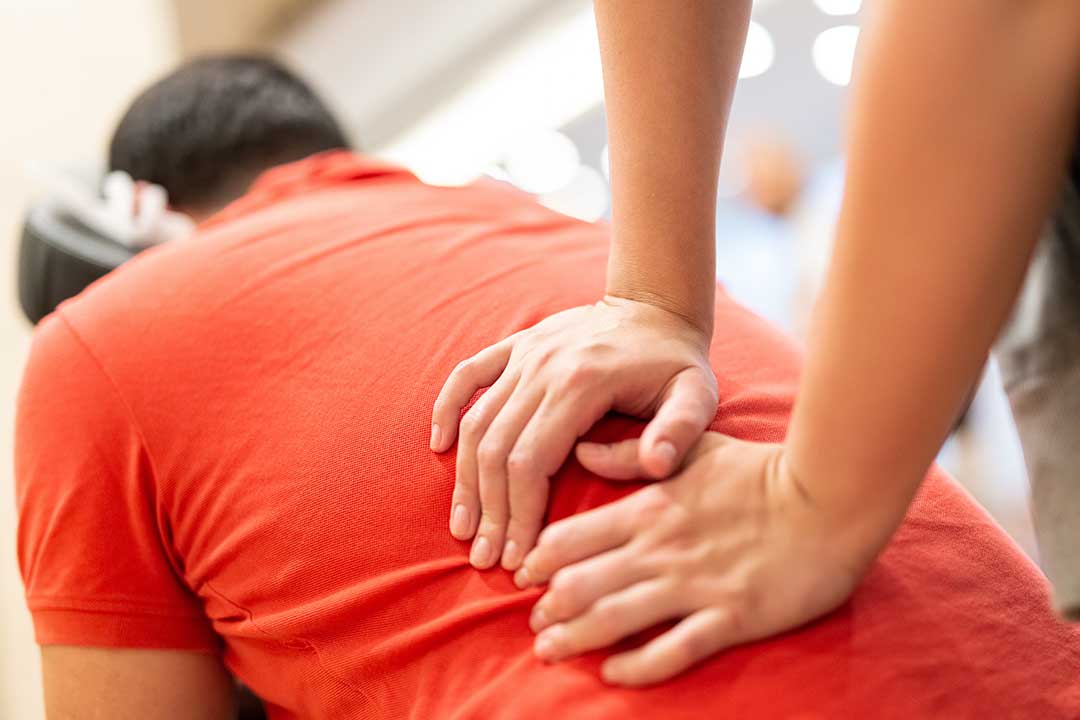
Regular strength and flexibility work for the back, hips, and core limits injury risk for those staying active across all seasons.
Beneficial exercises to add year-round:
- Planks and side planks for core stability
- Bird-dog and superman exercises to build lower back endurance
- Glute bridges to strengthen the hip area
- Controlled squats and lunges to support the legs and lower back
- Gentle yoga or mobility routines to maintain flexibility
These can be performed at home or in a gym setting and are particularly helpful during winter when outdoor training options may be limited.
Can Overtraining or Not Resting Enough Cause Back Injuries?
Doing too much, too soon, or not allowing your body enough time to recover leads to overuse injuries—including those of the back. Local athletes sometimes increase intensity or frequency as they prepare for events, which can backfire if the body isn’t given needed rest.
Watch for warning signs like increased back soreness, loss of range of motion, or persistent tightness. Respect scheduled rest days and don’t ignore pain during movement.
Cross-training—mixing up activities—can help reduce repetitive stress on the same muscle groups while keeping fitness levels up.
How Do Weather and Surfaces in Plattsburgh Affect Back Injury Risks?
Changes in weather and sports surfaces directly affect injury risk. In winter, icy sidewalks and sports fields prompt an uptick in slip-and-fall injuries, leading to lower back strains. During wet spring months, muddy or uneven ground increases the odds of losing footing.
Local indoor gymnasiums and fitness centers may offer safer surfaces during winter. When training outside, choose well-maintained trails or cleared paths where possible. Proper footwear and attention to surroundings are especially important after snow, rain, or freeze-thaw cycles.
What Should Residents Do If They Notice Back Pain After Sports?
A brief period of muscle soreness is typical after trying new or intense sports. However, if pain becomes sharp, persistent for more than a week, or is accompanied by numbness or tingling in the legs, it could signal a more significant injury, such as a herniated disc or severe strain.
Rest, ice, and gentle stretching usually help for mild cases. More severe or non-resolving pain warrants a medical evaluation to rule out serious injury and receive tailored advice on safe recovery and return to sports.
