

What role can chiropractic care play in pain management?
For residents of Plattsburgh, NY, chiropractic care may be one part of a broader plan for managing certain muscle, joint, and spine-related conditions. Its most studied uses involve low-back pain and neck pain, particularly when symptoms are related to movement, posture, strain, or reduced mobility.
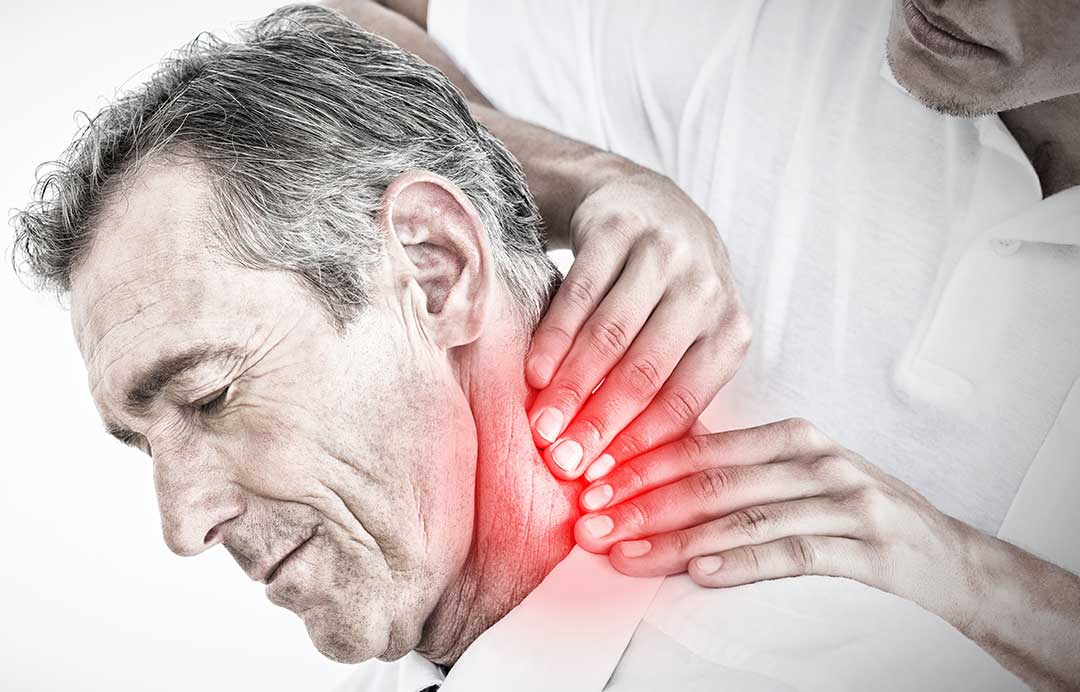
Chiropractic care commonly includes hands-on techniques such as spinal manipulation or mobilization. It may also involve movement recommendations, strengthening exercises, education about body mechanics, and strategies for returning to normal activities. The goal is generally to reduce pain and improve function rather than simply treat an imaging finding or a single area of the body.
Research suggests that spinal manipulation can provide modest short-term improvements in pain and function for some people with acute or chronic low-back pain. The American College of Physicians lists it among several non-drug options for low-back pain, while emphasizing that the overall strength of evidence is limited. ([nccih.nih.gov](https://www.nccih.nih.gov/health/spinal-manipulation-what-you-need-to-know?utm_source=openai))
Which types of pain may respond to chiropractic treatment?
Chiropractic treatment is most relevant to musculoskeletal pain, meaning discomfort involving muscles, joints, ligaments, tendons, or the spine. Examples include:
- Nonspecific low-back pain
- Neck pain related to posture, strain, or reduced movement
- Some types of tension-related or neck-related headaches
- Joint stiffness after prolonged inactivity
- Minor strains associated with lifting, recreational activity, or household work
Evidence for neck pain is less consistent than evidence for low-back pain, but spinal manipulation or mobilization may help some people with acute or chronic neck symptoms. Research on headaches is more limited and generally applies to headaches that originate from the neck rather than all headache disorders. ([nccih.nih.gov](https://www.nccih.nih.gov/health/spinal-manipulation-what-you-need-to-know?utm_source=openai))
Chiropractic care is not a universal treatment for pain. It is less appropriate as a stand-alone approach when pain is caused by infection, fracture, progressive nerve damage, cancer, severe inflammatory disease, or an internal medical problem.
How does treatment differ from simply “cracking” the back?
Spinal manipulation is a controlled movement applied to a joint, sometimes producing a popping sound. The sound is not the treatment itself, and a person does not need to hear a pop for care to be useful.
Spinal mobilization uses slower or gentler joint movements and does not involve a rapid thrust. Depending on the person’s symptoms, age, health history, comfort level, and treatment goals, a care plan may use mobilization, manipulation, exercise, or education—or avoid manipulation altogether.
A responsible evaluation should consider how pain began, what movements affect it, whether symptoms travel into an arm or leg, and whether there are signs of a more serious condition. Treatment should be adjusted if symptoms worsen or fail to improve.
Can chiropractic care replace medication or medical treatment?
Usually, it should be viewed as one possible component of pain management rather than a replacement for every other form of care. Pain treatment may also include exercise, physical therapy, heat or ice, sleep changes, behavioral strategies, nonprescription medication, or medical evaluation.
The Centers for Disease Control and Prevention identifies spinal manipulation as one nonpharmacologic option for some low-back and neck pain. Non-drug approaches may be useful because they can address movement and function without the medication-related risks associated with opioids. That does not mean chiropractic care is always safer or more effective for every person; treatment selection should match the cause and severity of pain. ([cdc.gov](https://www.cdc.gov/overdose-prevention/hcp/clinical-care/nonopioid-therapies-for-pain-management.html?utm_source=openai))
Medication decisions also require individual consideration. Ibuprofen, naproxen, acetaminophen, and other medications may be inappropriate for people with certain kidney, liver, stomach, cardiovascular, pregnancy-related, or medication-interaction concerns.
What should local residents consider during winter and seasonal activities?
Seasonal routines can contribute to musculoskeletal pain. In Plattsburgh, winter conditions may involve snow shoveling, slippery surfaces, cold-weather stiffness, and longer periods spent sitting indoors or driving. Spring and summer can bring a sudden increase in yard work, home maintenance, cycling, hiking, or other activities after a less active winter.
These changes can overload tissues that are not prepared for repeated bending, twisting, lifting, or prolonged activity. Practical prevention measures include:
- Warming up with gentle movement before strenuous work
- Using the legs and keeping loads close when lifting
- Taking brief breaks during shoveling or repetitive tasks
- Avoiding sudden increases in exercise volume
- Maintaining regular walking or strengthening activity year-round
- Paying attention to footwear and traction on icy surfaces
Pain that follows a specific injury, causes significant swelling, or prevents normal weight-bearing deserves careful assessment rather than repeated self-treatment.
Is chiropractic manipulation safe?
Most reported side effects of spinal manipulation are temporary, such as soreness, stiffness, headache, or a short-term increase in discomfort. These effects often resolve within a day. Serious complications are rare, but they have been reported, particularly in connection with certain forms of neck manipulation. There is ongoing disagreement about whether manipulation directly causes some artery injuries, but the potential risk should still be discussed. ([nccih.nih.gov](https://www.nccih.nih.gov/health/spinal-manipulation-what-you-need-to-know?utm_source=openai))
A complete health history matters. People should mention conditions such as osteoporosis, recent trauma, blood-clotting problems, inflammatory arthritis, neurological disease, cancer, infection, prior surgery, pregnancy, or use of blood-thinning medication. These factors may affect whether manipulation is appropriate and which techniques should be avoided.
No treatment should be forced. A person can ask about gentler alternatives, expected benefits, possible risks, and how progress will be measured.
When should pain be evaluated urgently?
Certain symptoms may indicate a problem that requires medical assessment rather than routine musculoskeletal care. Prompt evaluation is appropriate for pain accompanied by:
- New loss of bladder or bowel control
- Numbness in the groin or inner thighs
- Progressive weakness in an arm or leg
- Fever, unexplained weight loss, or feeling seriously ill
- Severe pain after a fall, collision, or other trauma
- Chest pain, shortness of breath, abdominal pain, or fainting
- A sudden, severe headache or new neurological symptoms
Neck pain followed by sudden severe headache, dizziness, double vision, difficulty speaking, facial weakness, or trouble walking requires emergency attention.
What makes a pain-management plan effective?
A useful plan has a specific goal, such as walking farther, sleeping better, returning to work, or lifting household items with less discomfort. Pain intensity matters, but function is also an important measure of progress.
For many uncomplicated back or neck problems, staying reasonably active is preferable to prolonged bed rest. A plan may begin with gentle movement and gradually add strengthening or mobility work. If symptoms do not improve, repeatedly return, or interfere with daily life, coordination with a primary medical clinician or another appropriate health professional may be necessary.
Chiropractic care is most likely to be useful when it is based on a careful assessment, realistic expectations, attention to safety, and active participation in recovery. It is one tool within pain management—not a guaranteed cure and not a substitute for diagnosis when warning signs are present.
