
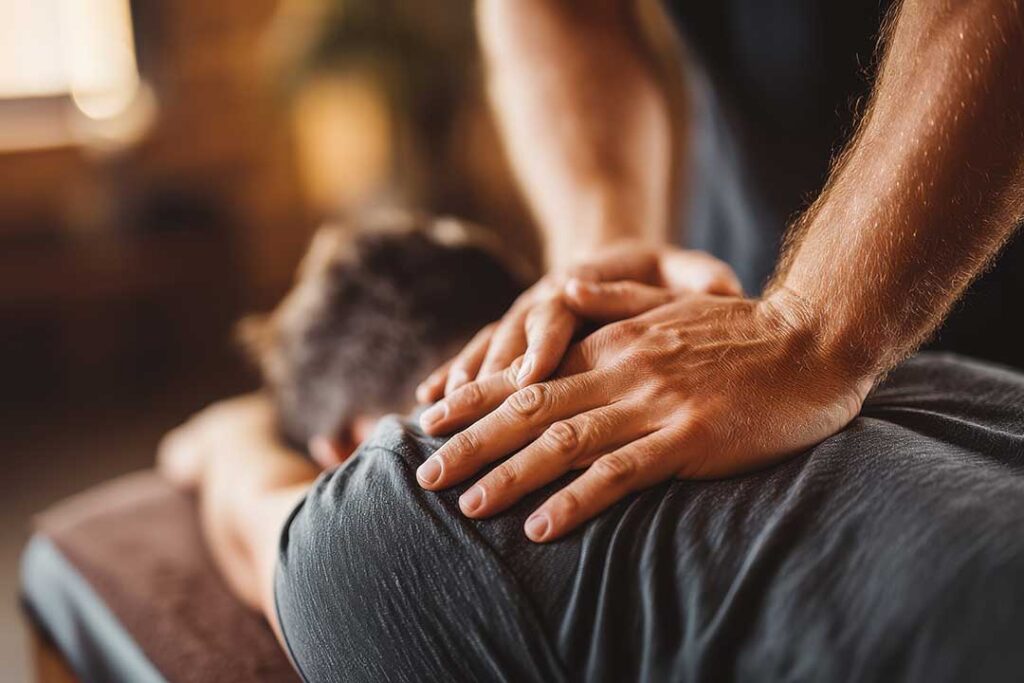
Minor aches are common, but they are not meaningless. A sore back after shoveling, a stiff neck after a long drive, or a recurring shoulder ache may reflect temporary muscle strain—or an underlying problem that deserves attention. The goal is not to treat every mild symptom as an emergency, but to notice patterns before pain begins limiting movement, sleep, work, or daily routines.
Why can a small ache become a bigger problem?
Aches often change how a person moves. Someone with a sore knee may shift weight to the other side. Someone with a stiff neck may turn the entire upper body instead of moving the head. These adjustments can reduce discomfort temporarily, but they may place extra stress on nearby muscles and joints.
Pain is also a protective signal. Acute pain commonly appears after an injury, overuse, inflammation, or another change in the body. Most short-term pain improves as the underlying issue heals, but pain that persists longer than expected can become more difficult to manage. The National Institute of Neurological Disorders and Stroke notes that continuing pain may involve changes in how the nervous system processes pain and can affect movement, mood, sleep, and everyday activities. ([ninds.nih.gov](https://www.ninds.nih.gov/health-information/disorders/pain?utm_source=openai))
This does not mean every ache is causing damage. Pain intensity does not always match the seriousness of a condition. A mild symptom can occasionally signal a problem that needs evaluation, while a painful muscle strain may resolve with time and simple care.
What minor symptoms should residents pay attention to?
The pattern matters as much as the location. Keep track of whether discomfort:
- Returns repeatedly after the same activity
- Gradually becomes more frequent or intense
- Spreads from the back or neck into an arm or leg
- Includes tingling, numbness, burning, or weakness
- Changes the way you walk, lift, reach, sit, or sleep
- Persists beyond the expected recovery period
- Appears without a clear cause
- Wakes you at night or becomes worse when lying down
For example, a brief ache after clearing heavy snow may be consistent with temporary strain. Pain that returns every time snow is moved, especially with leg symptoms or reduced strength, deserves closer attention. Seasonal tasks, prolonged indoor sitting, and cold-weather activities can all influence how the musculoskeletal system is used in the community.
A symptom diary can help. Record when the pain began, what activity preceded it, where it is located, what makes it better or worse, and whether other symptoms occur. This information can make a physical evaluation more useful.
Is it better to rest completely?
Usually, prolonged bed rest is not helpful for ordinary back pain. MedlinePlus explains that many episodes improve within days to several weeks, and staying in bed for more than a day or two may make recovery harder. Gentle movement, changing positions, and gradually returning to normal activity are often more useful than complete inactivity, provided movement does not sharply worsen symptoms. ([medlineplus.gov](https://www.medlineplus.gov/ency/article/007425.htm?utm_source=openai))
Practical steps for a mild, recent ache may include:
- Taking short walking or movement breaks instead of remaining in one position
- Avoiding the specific motion that clearly increases pain
- Using cold or warmth based on which feels more comfortable
- Adjusting lifting technique and reducing the load temporarily
- Supporting regular sleep and hydration
- Resuming normal activity gradually rather than testing the painful area repeatedly
Over-the-counter pain medicine is not appropriate for everyone. People with kidney disease, stomach ulcers, blood-thinning medication, allergies, pregnancy, or other medical conditions should ask a qualified healthcare professional or pharmacist before using it.
When does a minor ache need medical evaluation?
A non-emergency evaluation is reasonable when pain does not improve as expected, repeatedly returns, or interferes with normal activity. MedlinePlus advises seeking medical attention for back pain that is severe, follows an injury, or fails to improve after several days; it also identifies symptoms lasting more than four weeks as a reason to seek evaluation. ([medlineplus.gov](https://medlineplus.gov/backpain.html?utm_source=openai))
Evaluation may also be appropriate when an ache is accompanied by:
- Numbness, tingling, or weakness
- Pain traveling below the knee or into an arm
- Reduced balance or difficulty walking
- Unexplained weight loss
- Fever or feeling generally unwell
- A history of cancer
- Pain that is worse at night or when lying down
- A noticeable change from previous episodes

A chiropractor may assess movement, joint function, muscle tenderness, and nerve-related symptoms, but not every cause of pain is appropriate for chiropractic care. Depending on the findings, the safest next step may involve a primary care clinician, physical therapist, urgent care service, or emergency department. A responsible evaluation includes recognizing when symptoms fall outside routine musculoskeletal care.
Which warning signs require urgent action?
Some symptoms should not be managed at home or addressed through routine musculoskeletal treatment. Seek emergency care for back pain with new loss of bladder or bowel control, numbness around the groin or buttocks, or weakness or numbness in both legs. These symptoms can indicate serious nerve involvement. ([nhs.uk](https://www.nhs.uk/conditions/back-pain/?utm_source=openai))
Urgent assessment is also warranted for:
- Sudden, severe pain
- Pain after a major fall, crash, or direct blow
- Chest pain, trouble breathing, fainting, or confusion
- Fever with severe pain or a stiff neck
- Rapidly worsening weakness
- Severe abdominal pain or other symptoms suggesting an internal medical problem
Emergency warning signs are not limited to the spine. MedlinePlus lists sudden severe pain, breathing difficulty, chest discomfort, major injury, and sudden weakness or vision changes among signs that may require immediate medical help. ([medlineplus.gov](https://medlineplus.gov/ency/article/001927.htm?utm_source=openai))
What is the most useful way to think about an ache?
Treat minor pain as information, not a diagnosis. A brief ache that steadily improves with sensible activity modification is often less concerning than a mild symptom that keeps returning, spreads, or changes the way the body functions.
For local households managing winter chores, home maintenance, commuting, desk work, or recreational activities, prevention often begins with noticing small changes: reduced range of motion, unusual fatigue, repeated stiffness, or a growing need to “work around” one area. Paying attention early can support safer decisions without creating unnecessary alarm.
The key question is not simply, “How much does it hurt?” It is also: “Is it improving, and can the body still move and function normally?” If the answer is no, the symptom deserves a closer look.
